
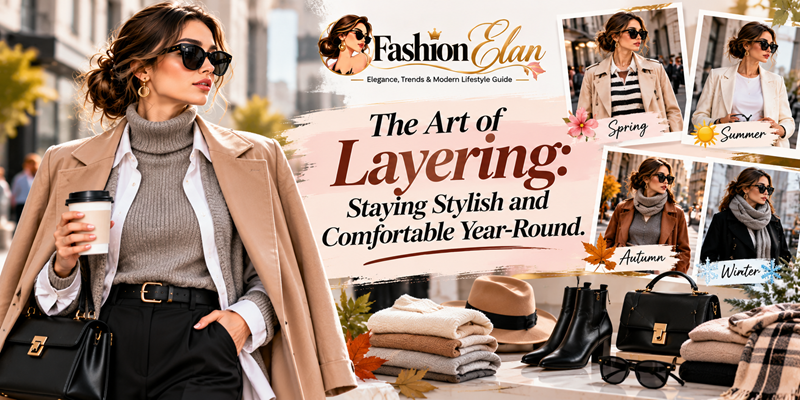
The Art of Layering: Staying Stylish and Comfortable Year-Round – Mastering the art of layering clothing represents one of the most versatile skills in modern sartorial design. Far beyond serving a purely practical function during colder months, effective layering allows individuals to construct sophisticated, multidimensional outfits that adapt seamlessly to changing weather conditions.
The Art of Layering: Staying Stylish and Comfortable Year-Round
By combining various textures, weights, and silhouettes, you can transform simple foundational pieces into dynamic ensembles suitable for any season. Understanding the core principles of fabric interaction, color balance, and proportion enables you to stay effortlessly stylish and comfortable throughout the entire year.
The Fundamental Structure of Effective Layering
Successful layering relies on a structured approach consisting of three distinct functional layers. Each layer serves a specific purpose, working in harmony to regulate body temperature while creating visual interest.
1. The Base Layer: Moisture Control and Comfort
The base layer sits directly against the skin, making fabric selection critical. During warmer seasons, breathable lightweight materials like organic cotton, silk, or linen keep the body cool and dry. In cooler weather, fine merino wool or thermal knits provide lightweight insulation without adding unwanted bulk. A fitted t-shirt, sleek tank top, or tailored button-down shirt serves as an ideal foundation.
2. The Middle Layer: Insulation and Texture
The middle layer provides warmth while introducing texture and dimension to an outfit. This layer acts as the bridge between your base piece and outer garment. Classic middle layers include crewneck sweaters, tailored vests, denim jackets, or lightweight cardigans. Selecting pieces with interesting weaves or subtle patterns adds depth to the overall aesthetic without overwhelming the frame.
3. The Outer Layer: Weather Protection and Structure
The outermost layer protects against environmental elements while tying the entire ensemble together. Structured trench coats, tailored wool blazers, overcoats, and utility jackets make excellent outer garments. Choosing an outer piece with sufficient room through the shoulders and sleeves ensures comfortable movement when worn over multiple garments.
Seasonal Adaptations for Year-Round Style
Layering is not exclusively reserved for autumn and winter. Adapting your technique according to the season ensures year-round comfort and sartorial polish.
-
Spring Transitions: Spring weather often fluctuates dramatically throughout the day. Pair a crisp white shirt with a lightweight knit sweater, topped with a classic trench coat. As temperatures rise in the afternoon, the trench coat can be removed while maintaining a complete, refined outfit.
-
Summer Sophistication: Summer layering focuses on breathable fabrics and relaxed silhouettes. Layer an unbuttoned linen shirt over a simple cotton tank, or drape a lightweight summer sweater across your shoulders for cool evening breezes.
-
Autumn Richness: Fall allows for rich fabric experimentation. Combine smooth silk blouses with textured corduroy blazers, or layer tailored vests over structured dresses to embrace autumn’s cozy aesthetic.
-
Winter Insulation: Cold weather demands maximum warmth without sacrificing shape. Utilize thin thermal base layers beneath wool trousers and cashmere knits, finishing with a heavy, structured overcoat.
Key Rules for Balanced Proportion and Color
While combining multiple garments offers endless creative freedom, maintaining visual balance prevents layered outfits from looking bulky or chaotic. Following a few strategic guidelines ensures a streamlined result. Digital Business Insights for Modern Fashion Brands
Vary Fabric Weights and Textures
Mixing contrasting fabric textures creates visual intrigue. Pair smooth, delicate fabrics like silk or satin with heavier, textured materials like denim, leather, or chunky knits. This contrast adds richness and prevents the outfit from appearing flat or heavy.
Maintain Proportional Harmony
Pay close attention to garment lengths and fits. As a general rule, alternate between fitted and relaxed pieces. If your base layers are loose and flowing, opt for a more structured outer layer to define your silhouette. Additionally, ensuring that lower layers peek out slightly beneath upper garments creates clean, intentional lines.
Harmonize the Color Palette
A successful layered outfit relies on a cohesive color scheme. Stick to a neutral base—such as beige, charcoal, navy, or cream—and introduce one or two accent colors. Utilizing tonal variations of a single shade (monochromatic layering) delivers an elongated, exceptionally elegant look.
Conclusion: Elevating Your Everyday Wardrobe
The art of layering empowers you to maximize your existing wardrobe, breathing new life into basic pieces regardless of the season. By mastering the balance between base, middle, and outer layers, experimenting with contrasting textures, and maintaining clear proportions, you can navigate changing temperatures with complete confidence and refined style. Audit your closet today, experiment with new garment combinations, and enjoy the lasting flexibility of year-round sartorial elegance.