
How to Care for Delicate Fabrics Like Silk, Cashmere, and Wool
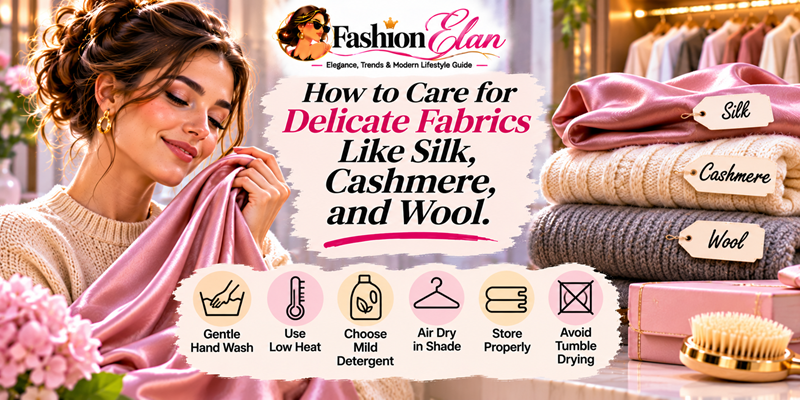
How to Care for Delicate Fabrics Like Silk, Cashmere and Wool – Acquiring clothing crafted from noble natural textiles—specifically pure silk, fine cashmere, and structured wool—marks a significant milestone in building a mature, enduring wardrobe. Unlike mass-produced synthetic alternatives, these organic materials provide superior thermal regulation, remarkable breathability, and an unmistakable fluid drape.
How to Care for Delicate Fabrics Like Silk, Cashmere, and Wool
Nevertheless, biological animal fibers possess delicate cellular structures that react poorly to conventional laundry routines. Exposing these garments to standard agitation cycles, harsh alkaline soaps, or excessive heat quickly triggers permanent fiber damage, unwanted shrinkage, and surface dullness. Preserving your clothing investments requires adopting specialized, low-impact maintenance rituals. The following editorial guide outlines practical textile preservation methods engineered to protect your finest garments across years of regular wear.
1. Protecting the Fluid Sheen of Pure Silk
Although individual silk filaments exhibit impressive tensile strength when dry, moisture temporarily weakens their molecular bonds, leaving wet garments vulnerable to abrasion and distortion.
-
Low-Agitation Cleansing Methods: Inspect sewn-in manufacturer labels prior to cleaning, as lined silk jackets and structured evening gowns demand professional solvent treatment. For unlined camisoles, scarves, and blouses, fill a clean basin with cold tap water mixed with a mild, enzyme-free liquid cleanser formulated specifically for delicate textiles. Submerge the piece and swirl it gently by hand for roughly three minutes without twisting or scrubbing the surface.
-
Moisture Extraction and Wrinkle Removal: Drain the basin and rinse the garment under cold running water until no suds remain. Rather than wringing out excess moisture, lay the wet item flat across a thick, unbleached cotton bath towel, roll the towel tightly like a cylinder, and press down firmly to absorb water. Hang the damp garment on a contoured, fabric-padded hanger inside a shaded room, because direct ultraviolet rays rapidly degrade organic silk dyes. When smoothing out creases, hold a low-temperature handheld steamer several inches away from the fabric instead of applying direct iron pressure.
2. Preserving the Airy Softness of Cashmere
Sourced from the fine winter undercoat of mountain goats, authentic cashmere relies on microscopic air pockets to provide lightweight warmth. High friction and improper drying techniques easily ruin this delicate architecture.
-
Infrequent, Gentle Immersion: Avoid laundering cashmere after every single outing; wearing a thin breathable undershirt beneath knitwear allows you to wear the sweater three or four times between washes. When cleaning becomes necessary, immerse the knitwear inside a sink filled with tepid water and a few drops of gentle baby shampoo or specialized wool wash. Let the fibers soak undisturbed for ten minutes before rinsing thoroughly with cool water.
-
Flat Restructuring Techniques: Hanging saturated knitwear transfers heavy water weight directly onto the shoulder seams, stretching the silhouette permanently out of shape. Lift the wet sweater carefully from the basin, press water out gently against the sink wall, and spread it flat over a dry mesh rack or clean towel. Smooth the sleeves and torso back into their original tailored measurements with your palms, allowing the piece to air-dry naturally away from radiators.
-
Eliminating Surface Pilling: Small, fuzzy fiber knots inevitably develop where sleeves rub against the torso. Lay the dry sweater on a flat table, pull the knit taut with one hand, and glide a fine-toothed cedar cashmere comb lightly in one direction to lift away surface fuzz without snagging underlying threads.
3. Maintaining Structured Wool Tailoring
Sheep wool naturally repels light moisture and resists odor retention thanks to trace amounts of lanolin remaining within the fleece. Consequently, tailored wool coats and trousers thrive on mechanical upkeep rather than frequent chemical laundering. Top Travel Outfits That Blend Comfort with High Style
-
Post-Wear Ventilation and Brushing: Immediately after removing a wool blazer or overcoat, place it on a broad wooden hanger inside an airy room for twenty-four hours so absorbed body heat and ambient humidity can evaporate completely. Before returning the piece to a closed wardrobe, sweep downward along the grain of the weave using a soft natural-bristle clothes brush. This simple habit removes microscopic dust particles before they settle deep into the textile.
-
Targeted Stain Management: Whenever minor liquid spills occur, blot the affected spot immediately using a slightly damp, lint-free white cloth. Rubbing stains aggressively pushes pigment deeper into the yarn and roughs up the surface nap. Limit professional dry cleaning to the end of each winter season, since repeated exposure to commercial solvents eventually dries out the wool fibers and diminishes their natural resilience.
4. Implementing Safe Off-Season Storage Systems
Proper storage infrastructure prevents structural warping and biological pest infestations during months when heavy textiles remain unworn.
-
Strategic Folding Versus Hanging: Heavy knitwear—including thick merino pullovers and cashmere cardigans—must always be folded neatly and stacked loosely on ventilated shelves. Reserve wide, curved hangers exclusively for structured wool outerwear and woven silk blouses to preserve crisp shoulder lines.
-
Natural Pest Deterrence: Clothes moth larvae feed aggressively on keratin proteins found in animal fibers, particularly when attracted by invisible traces of skin oils or food residue. Ensure every garment is freshly cleaned prior to long-term storage. Seal seasonal knitwear inside breathable zippered cotton storage bags accompanied by aromatic red cedar blocks or dried lavender bundles, which deter insects effectively without leaving toxic chemical odors behind.
Conclusion: Honoring Quality Craftsmanship
Mastering the maintenance of silk, cashmere, and wool transforms how you experience luxury fashion, turning delicate garments into reliable, multi-decade wardrobe staples. By practicing cold-water hand washing, drying knitwear flat, brushing tailored wool between wears, and storing seasonal items inside breathable, cedar-scented containers, you safeguard both the tactile beauty and financial value of your clothing. Review your laundry supplies today, replace harsh detergents with gentle textile cleansers, and keep your finest garments looking immaculate season after season.
Related Post

The Art of Layering: Staying Stylish and Comfortable Year-Round
The Art of Layering: Staying Stylish and Comfortable Year-Round – Mastering the art of layering [...]

A Beginner’s Guide to Matching Accessories with Any Outfit
A Beginner’s Guide to Matching Accessories with Any Outfit – Adornments play an undeniable role [...]

The Power of Power Dressing: Boosting Confidence Through Fashion
The Power of Power Dressing: Boosting Confidence Through Fashion – The relationship between personal attire [...]