
The Best Fragrance Notes for Every Season and Occasion
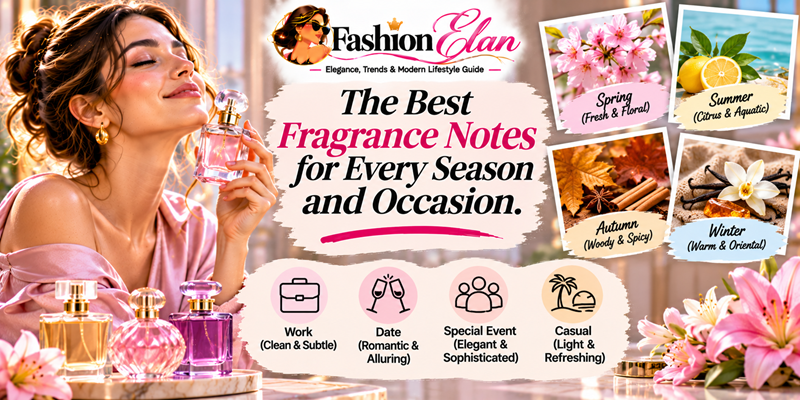
The Best Fragrance Notes for Every Season and Occasion – Selecting an appropriate perfume is an essential finishing touch in personal styling, acting as an invisible signature that communicates elegance before a single word is spoken. However, a fragrance never behaves identically across different environments. Ambient temperature, air humidity, and social context dramatically alter how aromatic molecules evaporate off human skin.
The Best Fragrance Notes for Every Season and Occasion
Heavy, resinous scents that feel comforting during freezing winter evenings can quickly become suffocating under blazing summer heat. Conversely, delicate citrus blends often vanish within minutes when exposed to crisp autumn winds. Mastering the architecture of fragrance notes allows you to curate a versatile scent wardrobe tailored precisely to shifting weather patterns and social settings.
1. Understanding the Olfactory Pyramid
Before matching scents to specific seasons, you must understand how master perfumers structure a composition across three distinct evaporation stages.
-
Top Notes (The Initial Impression): Composed of small, highly volatile molecules—such as bergamot, lemon, mint, and pink pepper—top notes deliver an immediate burst of freshness upon application, fading within fifteen to thirty minutes.
-
Heart Notes (The Core Identity): Emerging once top notes dissipate, middle notes form the true character of a fragrance. Floral extracts like jasmine, rose, and lavender blend with aromatic herbs and soft spices to anchor the scent for several hours.
-
Base Notes (The Lasting Foundation): Constructed from heavy, slow-evaporating molecules like sandalwood, amber, vanilla, and musk, base notes bind to skin oils, providing depth and longevity that linger throughout the day.
2. Curating Scents for Shifting Climates
Ambient weather dictates projection and longevity; heat accelerates molecular evaporation, while cold air slows dispersion and requires richer ingredients to project effectively.
Spring: Crisp Florals and Dewy Greens
As temperatures rise and nature awakens, your fragrance should mirror fresh morning air. Opt for compositions anchored by crushed green leaves, neroli, peony, lily of the valley, and clean white tea. These airy botanical accords feel uplifting without overwhelming warm spring breezes.
Summer: Radiant Citrus and Marine Accords
High summer heat amplifies fragrance projection significantly, making heavy sweetness cloying. Reach for effervescent Mediterranean citrus notes—including grapefruit, mandarin, and yuzu—paired with aquatic sea salt, crisp cucumber, or light coconut water. Applying Eau de Cologne or Eau de Toilette concentrations ensures refreshing elegance during humid afternoons.
Autumn: Spiced Woods and Warm Earth
Cooling autumn temperatures invite deeper, textured compositions that harmonize with layered knitwear. Look for fragrances featuring toasted cardamom, cinnamon bark, dried fig, roasted tonka bean, and earthy vetiver. These warm, moderately dense accords bridge the gap between summer brightness and winter richness.
Winter: Rich Resins, Oud, and Amber
Cold winter air suppresses scent diffusion, allowing dense, opulent base notes to shine gracefully. Embrace luxurious compositions built around smoky agarwood (oud), warm benzoin resin, Madagascar vanilla, supple leather, and dark patchouli. Higher concentrations like Eau de Parfum or Extrait de Parfum provide enduring warmth against frosty weather.
3. Aligning Fragrance Profiles with Social Occasions
Beyond weather considerations, social etiquette requires adjusting scent intensity and character to respect shared spaces and event formality. Fast Fashion vs. Slow Fashion: Understanding the Key Differences
-
Corporate and Professional Settings: Office environments require understated refinement that never intrudes upon colleagues. Choose clean, skin-hugging profiles featuring crisp iris, white musk, subtle cedarwood, or soft bergamot. Limit application to one or two sprays beneath clothing to maintain polite proximity.
-
Casual Daytime Outings: Weekend brunches, outdoor markets, and daytime errands call for relaxed, approachable scents. Bright fruity-floral blends, aromatic herbs like rosemary and sage, or sunlit citrus fragrances complement casual daytime wardrobes effortlessly.
-
Formal Evening Galas and Romantic Dinners: Evening occasions welcome dramatic, memorable sillage. Select velvety compositions combining damask rose, dark saffron, creamy sandalwood, or warm ambergris. These seductive, complex layers unfold gradually under evening lighting, leaving a sophisticated trail.
4. Practical Application Techniques for Optimal Longevity
Even the finest fragrance underperforms if applied incorrectly. Maximize scent development by targeting warm pulse points—including the inner wrists, base of the throat, and behind the ears—where body heat gently diffuses aromatic oils. Always apply perfume onto well-moisturized, unscented skin rather than dry epidermis, as lipids trap fragrance molecules and extend wear time. Finally, resist rubbing your wrists together after spraying, since friction crushes delicate top notes and distorts the perfumer’s intended progression.
Conclusion: Building Your Signature Scent Wardrobe
Navigating fragrance notes transforms perfume selection from guesswork into an intentional art form. By aligning molecular weight with seasonal temperatures and tailoring scent intensity to specific social environments, you ensure your presence always feels appropriate and refined. Evaluate your current fragrance collection today, experiment with contrasting seasonal accords, and enjoy the quiet confidence of wearing the right scent at the right moment.