
Fast Fashion vs. Slow Fashion: Understanding the Key Differences
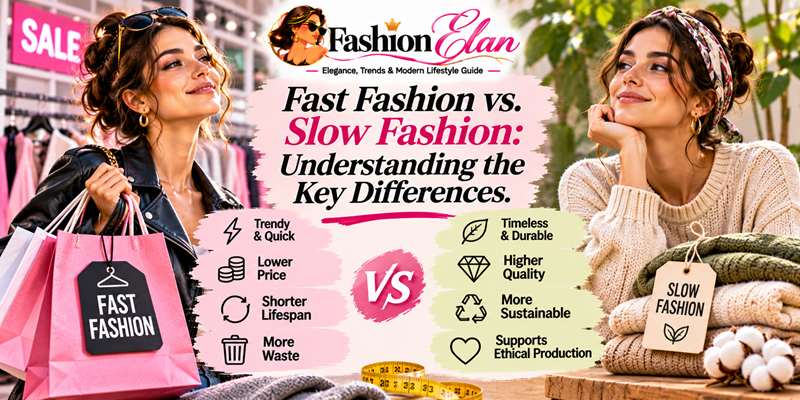
Fast Fashion vs. Slow Fashion: Understanding the Key Differences – The contemporary apparel landscape stands divided between two fundamentally opposing philosophies: rapid mass consumption and deliberate sartorial longevity. Over the past three decades, accelerated manufacturing pipelines have reshaped how consumers browse, purchase, and discard garments. While immediate access to inexpensive runway replicas initially captivated global shoppers.
Fast Fashion vs. Slow Fashion: Understanding the Key Differences
Growing awareness regarding ecological strain and garment durability has sparked a counter-movement. Understanding the structural, environmental, and financial distinctions between fast fashion and slow fashion empowers modern shoppers to curate wardrobes aligned with their personal values. Examining both models objectively reveals how daily purchasing decisions influence personal style budgets and broader global ecosystems.
1. Production Velocity and Design Philosophy
The primary distinction between these two retail models lies in how swiftly garments move from initial design sketches onto retail display racks.
-
Accelerated Micro-Seasons: Fast fashion retailers operate on hyper-compressed production calendars, often releasing new micro-collections every week. Designers rapidly replicate current runway silhouettes and viral social media trends, rushing inexpensive prototypes through global supply chains to capture fleeting consumer impulses before trends fade.
-
Timeless Architectural Collections: Conversely, slow fashion brands adhere to traditional biannual release schedules or produce small, curated capsule collections without seasonal expiration dates. Designers prioritize enduring silhouettes, balanced proportions, and versatile color palettes engineered to remain aesthetically relevant across multiple decades rather than a single month.
2. Textile Composition and Garment Construction
Examining the raw fibers and stitching techniques inside a garment immediately exposes the philosophical divide between disposable apparel and enduring craftsmanship.
-
Synthetic Fibers and Shortcut Tailoring: To keep retail price tags remarkably low, fast fashion relies heavily on petroleum-derived synthetics such as virgin polyester, acrylic, and nylon. Garments are frequently assembled using loose seam allowances, weak single-stitch construction, and unlined interiors, resulting in clothing that loses its shape, pills, or unravels after just a handful of laundry cycles.
-
Natural Textiles and Reinforced Craftsmanship: Slow fashion prioritizes biodegradable, high-grade natural fibers—including organic linen, combed cotton, merino wool, and mulberry silk—alongside certified recycled textiles. Skilled artisans reinforce stress points with tight French seams, durable natural horn or mother-of-pearl buttons, and breathable linings, ensuring each garment withstands years of regular wear.
3. Environmental Footprint and Resource Management
Apparel manufacturing exerts a substantial impact on global water systems, soil health, and landfill capacity, with each model approaching resource stewardship differently. How to Care for Delicate Fabrics Like Silk, Cashmere and Wool
-
High-Volume Waste Generation: The rapid turnover inherent to fast fashion encourages overproduction, leaving millions of unsold garments incinerated or discarded annually. Furthermore, conventional synthetic textiles shed microscopic plastic fibers during washing, while toxic chemical dyes frequently pollute waterways near high-volume manufacturing hubs.
-
Closed-Loop Conservation: Slow fashion emphasizes small-batch manufacturing to eliminate unsold inventory waste. Ethical producers utilize low-impact botanical or closed-loop water dyeing processes, partner with regenerative agricultural farms, and design biodegradable garments capable of returning safely to the earth at the end of their useful lifespan.
4. Supply Chain Transparency and Labor Ethics
Behind every sewn seam stands a network of textile workers, pattern makers, and dyers whose working conditions vary dramatically across production tiers.
-
Opaque Subcontracting Networks: Pressured by razor-thin profit margins and tight delivery deadlines, rapid-response retailers frequently outsource orders across complex webs of unmonitored subcontractors. This lack of visibility often obscures unsafe factory environments, excessive overtime demands, and wages falling below basic living standards.
-
Direct Artisan Partnerships: Slow fashion enterprises build long-term, transparent relationships with verified workshops and family-owned mills. Brands openly publish supplier directories, guarantee fair living wages, enforce strict workplace safety protocols, and preserve traditional regional weaving and tailoring heritage.
5. Evaluating True Value Through Cost-Per-Wear
At the checkout counter, fast fashion appears undeniably economical, yet analyzing long-term wardrobe expenses tells a vastly different financial story.
-
The Illusion of Cheap Apparel: Purchasing a twenty-dollar synthetic sweater that loses its shape after four wears results in an actual cost of five dollars per outing, alongside the recurring expense of buying replacements every season.
-
Long-Term Wardrobe Equity: Investing one hundred fifty dollars in a finely spun merino wool pullover worn seventy-five times over five years yields an actual cost of just two dollars per wear. Slow fashion transforms clothing expenditure from a recurring disposable expense into a lasting, reliable wardrobe asset.
Conclusion: Cultivating an Intentional Wardrobe
Choosing between fast fashion and slow fashion ultimately reflects how you value personal craftsmanship, environmental stewardship, and long-term financial wisdom. While rapid-trend retailers offer fleeting novelty, deliberate slow fashion rewards you with superior comfort, enduring silhouettes, and genuine peace of mind. Begin transitioning your closet today by inspecting garment care labels, prioritizing natural textiles, and investing in fewer, better-made pieces that serve your lifestyle gracefully for years to come.
Related Post

10 Essential Fashion Trends You Need to Know This Season
10 Essential Fashion Trends You Need to Know This Season – Navigating the evolving landscape [...]
The Ultimate Guide to Building a Timeless Capsule Wardrobe
The Ultimate Guide to Building a Timeless Capsule Wardrobe – Modern fashion often encourages continuous [...]

Top Travel Outfits That Blend Comfort with High Style
Top Travel Outfits That Blend Comfort with High Style – Navigating airports, train stations, and [...]