
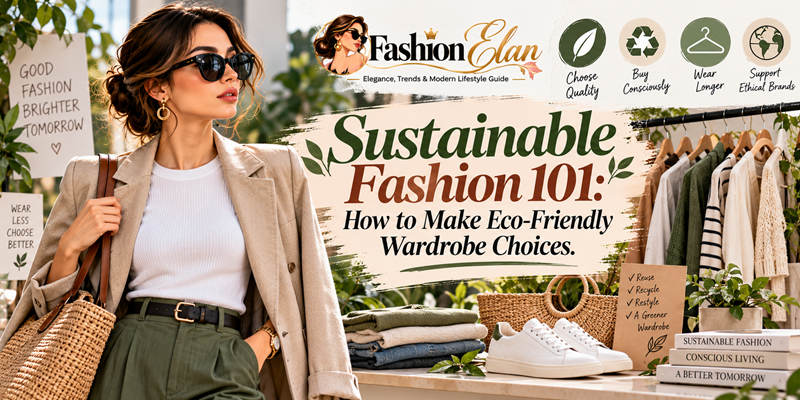
Sustainable Fashion 101: How to Make Eco-Friendly Wardrobe Choices – The contemporary apparel sector plays a vital economic role worldwide, yet its exponential growth generates substantial ecological strain. Intensive freshwater usage, toxic chemical runoffs, and massive textile disposal in landfills represent severe environmental consequences of industrial garment production.
Sustainable Fashion 101: How to Make Eco-Friendly Wardrobe Choices
In response to these pressing ecological concerns, sustainable fashion has grown into an essential movement advocate for responsible consumer habits. Shifting toward environmentally conscious wardrobe decisions allows individuals to lower their personal environmental impact while maintaining a stylish, refined personal image. This introductory guide presents actionable, high-impact strategies to help you establish a truly sustainable clothing collection.
Recognizing the Environmental Footprint of Modern Clothing
Developing informed buying habits requires an initial understanding of the ecological tolls linked to fast-paced clothing consumption. Linear manufacturing structures rely heavily on finite raw materials and cheap synthetic fibers, promoting rapid garment turnover.
1. Resource Exhaustion and Hazardous Waste
Traditional textile cultivation consumes immense volumes of natural water and synthetic chemicals. Growing conventional cotton crops, for instance, requires extensive irrigation and intensive pesticide treatments, which frequently damage regional soils. Furthermore, untreated chemical dyes from fabric mills often pollute local river systems when proper filtration facilities are lacking.
2. Synthetic Microfibers and Marine Pollution
Widespread synthetic fabrics such as polyester, nylon, and acrylic are petroleum-derived materials. During home laundering, these synthetic textiles shed millions of invisible plastic filaments called microplastics. These microscopic fibers bypass municipal water filters, ultimately settling in marine environments and endangering aquatic biodiversity.
Core Foundations of a Conscious Clothing Collection
Building an eco-conscious wardrobe does not demand disposing of your current closet contents immediately. Instead, it involves cultivating a thoughtful mindset focused on item longevity, superior construction, and intentional purchasing.
Prioritize Garment Care and Fabric Preservation
The greenest garment available is always the one you currently own. Extending a piece of clothing’s active lifespan by just a few additional months dramatically minimizes its overall carbon footprint. To preserve your clothes effectively:
-
Reduce Wash Cycles: Laundering garments only when genuinely dirty prevents premature fiber wearing.
-
Opt for Cold Water Washing: Cleaning clothes in cold water cuts household energy consumption and preserves fabric elasticity.
-
Choose Natural Air Drying: Avoiding high-heat mechanical dryers protects garment structure and stops fabric shrinkage.
-
Master Simple Garment Repairs: Learning basic maintenance, such as securing loose threads or reattaching buttons, keeps clothing wearable for years.
Select Environmentally Safe Textile Options
When acquiring new garments, carefully analyze the fabric composition tags. Favor renewable, naturally biodegradable, or reprocessed materials over newly produced synthetic fabrics.
-
Organic Cotton Fibers: Cultivated without artificial pesticides, organic cotton protects farm soil integrity while consuming far less water.
-
Linen and Industrial Hemp: Grown from resilient plant stalks, these textiles need minimal irrigation and naturally decompose back into the earth.
-
Reprocessed Fibers: Textiles manufactured from post-consumer plastic bottles or salvaged fishing nets help divert waste away from landfills.
Mindful Buying Habits for Modern Shoppers
Embracing eco-friendly sartorial choices requires transitioning away from impulsive shopping sprees toward purpose-driven consumer decisions.
1. Practice the 30-Wears Evaluation
Before completing any apparel purchase, ask yourself whether you will realistically wear the garment at least thirty times. If you hesitate, leave the item in the store. This quick mental filter prevents short-lived impulse buys in favor of functional staples.
2. Embrace Pre-Owned and Vintage Markets
Sourcing pre-loved garments extends the operational lifecycle of existing apparel while reducing the demand for new resource harvesting. Vintage shopping also provides a wonderful opportunity to discover distinctive, well-crafted pieces that transcend mass-market trends. The Art of Layering: Staying Stylish and Comfortable Year-Round
3. Support Transparent, Ethical Manufacturers
When purchasing brand-new clothing, favor companies that demonstrate clear supply chain openness, fair worker compensation, and verified eco-friendly practices. Look for recognized certifications like Fair Trade or the Global Organic Textile Standard (GOTS) to verify environmental claims.
Conclusion: Creating Lasting Change
Adopting sustainable fashion is an ongoing process of thoughtful daily choices rather than an immediate perfectionist overhaul. By maintaining your current clothes properly, choosing natural textile options, purchasing secondhand, and supporting transparent brands, you actively foster a cleaner planet and a fairer global industry. Audit your wardrobe habits today, choose quality craftsmanship over quantity, and enjoy the lasting benefits of a mindfully curated closet.